

Commissioning telephone fieldwork - best practice
Trevor Wilkinson
In this document we outline seven recommendations relating to the commissioning or sub-contracting of research fieldwork services, particularly recruitment and telephone interviewing.
In our experience, the following steps will greatly enhance the quality of the fieldwork you commission and together they represent best practice.
All of the recommendations given in this piece are particularly pertinent for those more difficult research projects such as business-to-business surveys and research among other difficult to reach audiences, such as elderly people.
1. Write a clear research specification
A reasonable starting point is the research specification. It is vital that the person or agency commissioning fieldwork provides a document stating the key requirements. This doesn’t have to be very long, but should state the background, why the research is being conducted, also the target audience, screening and / or quotas to be applied, weighting that might be required and logistical issues (deadlines, required deliverables, etc.). The process of writing a specification along these lines helps to clarify what is required for both the fieldwork buyer and provider and minimises the potential for misunderstandings.
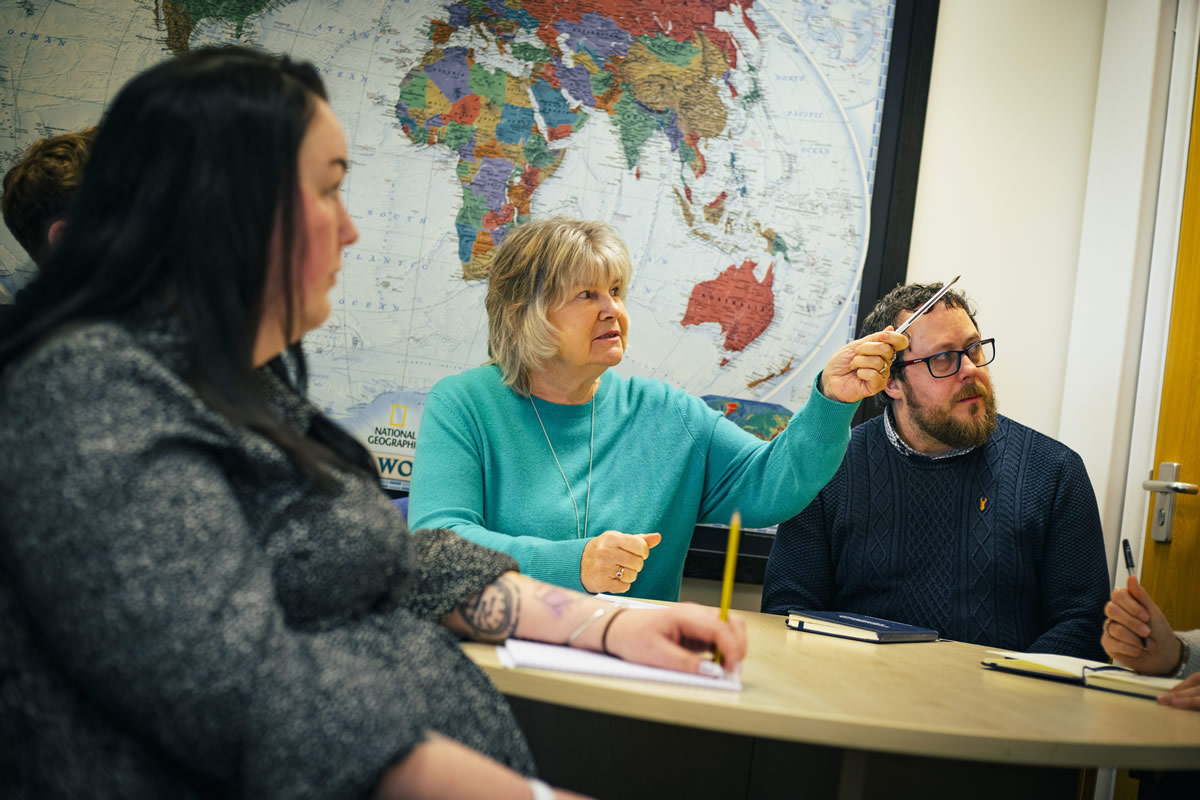
Prevision can provide a quotation request form, outlining the key information required from the fieldwork provider.
2. State the budget
Wherever possible, state the budget available for the project. It saves a lot of back and forth if the fieldwork provider knows what budget they are working within.
3. Discuss the research specification
The quality of the fieldwork is often enhanced by finding time to discuss the research specification, rather than just exchanging emails.
Discussion of the research specification helps to ensure that both parties are aligned in their understanding of the proposed fieldwork.
4. Carry out a formal interviewer briefing
Once fieldwork has been commissioned, particularly if this involves telephone interviewing, we recommend the client taking part in a personal briefing. Formerly, it was common practice for the client to come and take part in the interviewer briefing. Now it rarely happens.
When clients do visit our Milton Keynes centre to meet the interviewing and fieldwork management team, there is no doubt that the interviewers are much more informed and motivated, and the clients are reassured that they are in safe hands. So, if you are commissioning a telephone survey, try and visit the fieldwork company at the start of the process.
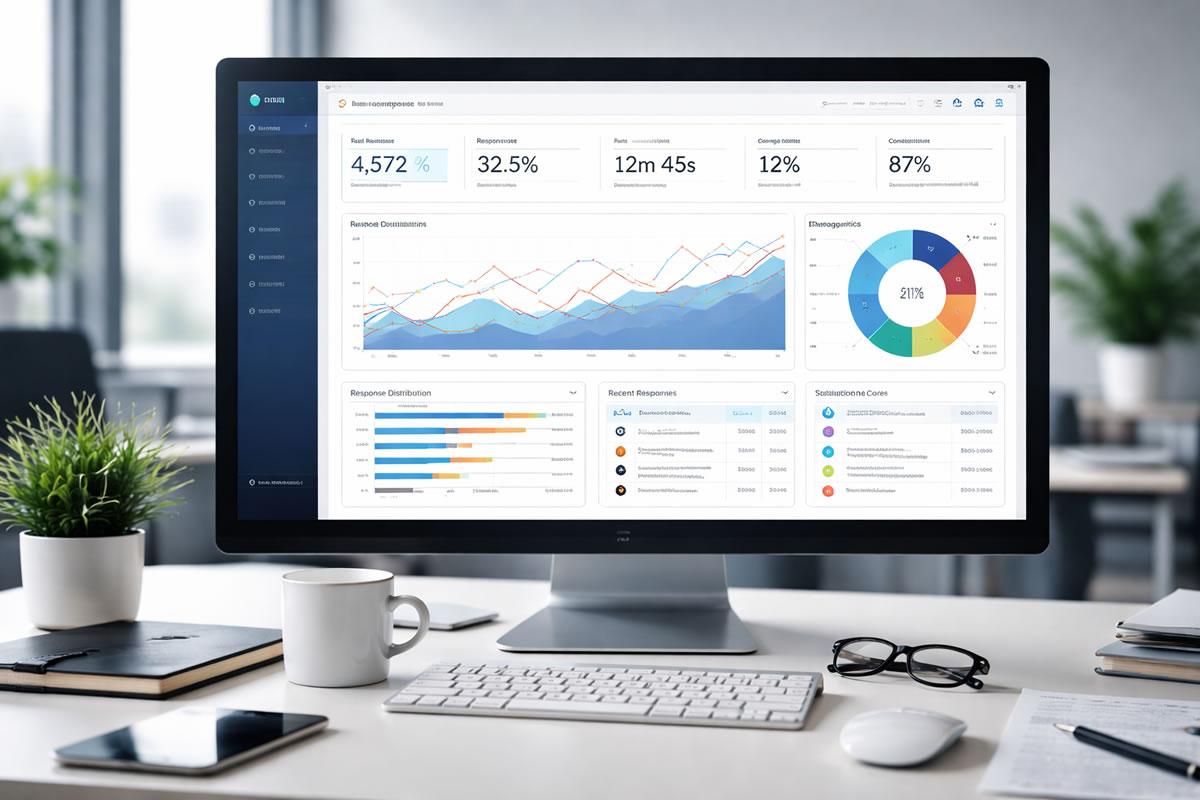
If the briefing cannot be done in person, at the very least you should try and put together interviewer briefing notes, and there’s always Teams or Zoom.
5. Conduct a formal pilot
For telephone surveys, you should also, wherever possible, conduct a formal pilot. You being present for the pilot maximises the effectiveness of that pilot, as you can hear the interviews being conducted and address any issues arising there and then.
The pilot is usually combined with the interviewer briefing session.
6. Ensure that a schedule of progress reporting is in place
Thereafter, it is important that the buyer and the provider keep in touch and establish a mutually acceptable mode and frequency of progress reporting.
The one thing you do not want is a surprise, particularly a nasty one. If there are problems with recruitment or a questionnaire, these need to be addressed sooner rather than later, when any issues relating to sampling, recruitment or the questionnaire can be discussed and fixed.

It is vital to keep communicating throughout the research process.
7. Make sure you spell out what data processing you need
You should clarify what you require at the data processing stage, through a formal DP Spec, including coding requirements, weighting that might be needed, how you want the tabulations to look and what format data files should take.
Prevision Research can provide templates of a weighting frame, DP spec or other relevant documents.
Note on Prevision Research
Prevision Research offers a range of fieldwork options, including online, postal and telephone interviewing.
Our management and interviewing team is based in Bletchley, Milton Keynes, home of the World War II Codebreakers and venue for the 2023 AI Safety Summit.
Formerly part of the Rameses Group and Operating at 20/20 Research, Prevision in its current form has been operating since 2009.
Trevor Wilkinson is a Director of Prevision Research but over more than thirty years he has been commissioning fieldwork and conducting research that has involved sub-contracting interviewing, recruitment, DP and other research services.